
📌 Table of Contents
- 1. Introduction: Breaking the Traditional Classroom Formula
- 2. The Crucial Question: Changing the Educational Lens
- 3. The Rise of Goal-Based Education & Open Schooling
- 4. The Bottleneck of Achievement: Why Time is the Real Problem
- 5. Redefining Smart Education: Four Core Pillars
- 6. A Strategic Plan, Not a Backup Plan
- 7. Conclusion: Celebrate the Unique Dream of Every Child
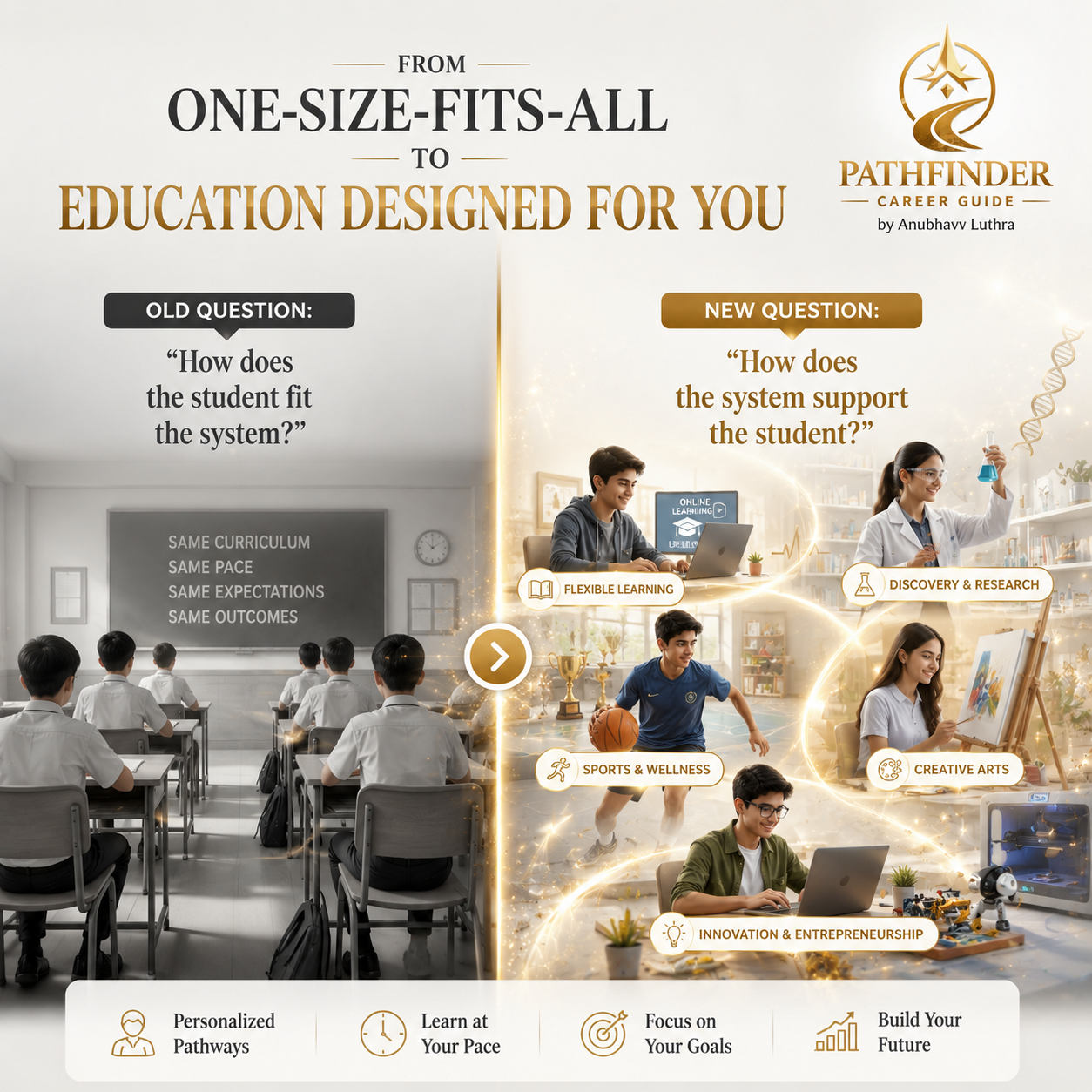
For generations, the journey of education followed a strict, uncompromising formula: a standardized classroom, a universal timetable, and a single academic pathway. Under this traditional paradigm, the underlying assumption was simple, if deeply flawed: every single student must learn in the exact same way, at the exact same pace, and through the exact same system.
But the world has shifted beneath our feet. The boundaries of communication and skills have integrated globally, and so have the incredible minds of our children. Modern students are no longer preparing merely to sit in examinations; they are preparing themselves for extraordinary, unique, and highly challenging life journeys.
Can the Education System Adapt to Aspirations?
Think about the specialized lives that young prodigies live today. A young, passionate sportsman or athlete may spend six full hours every single day on the track, chasing a national athletic dream. An aspirant aiming for elite competitive exams like the Joint Entrance Examination (JEE) or National Eligibility cum Entrance Test (NEET) requires thousands of focused, highly dedicated study hours to stand at the top of national rankings. A young, coding student could be writing software that creates tomorrow’s technology, while a budding entrepreneur is busy carving out business models.
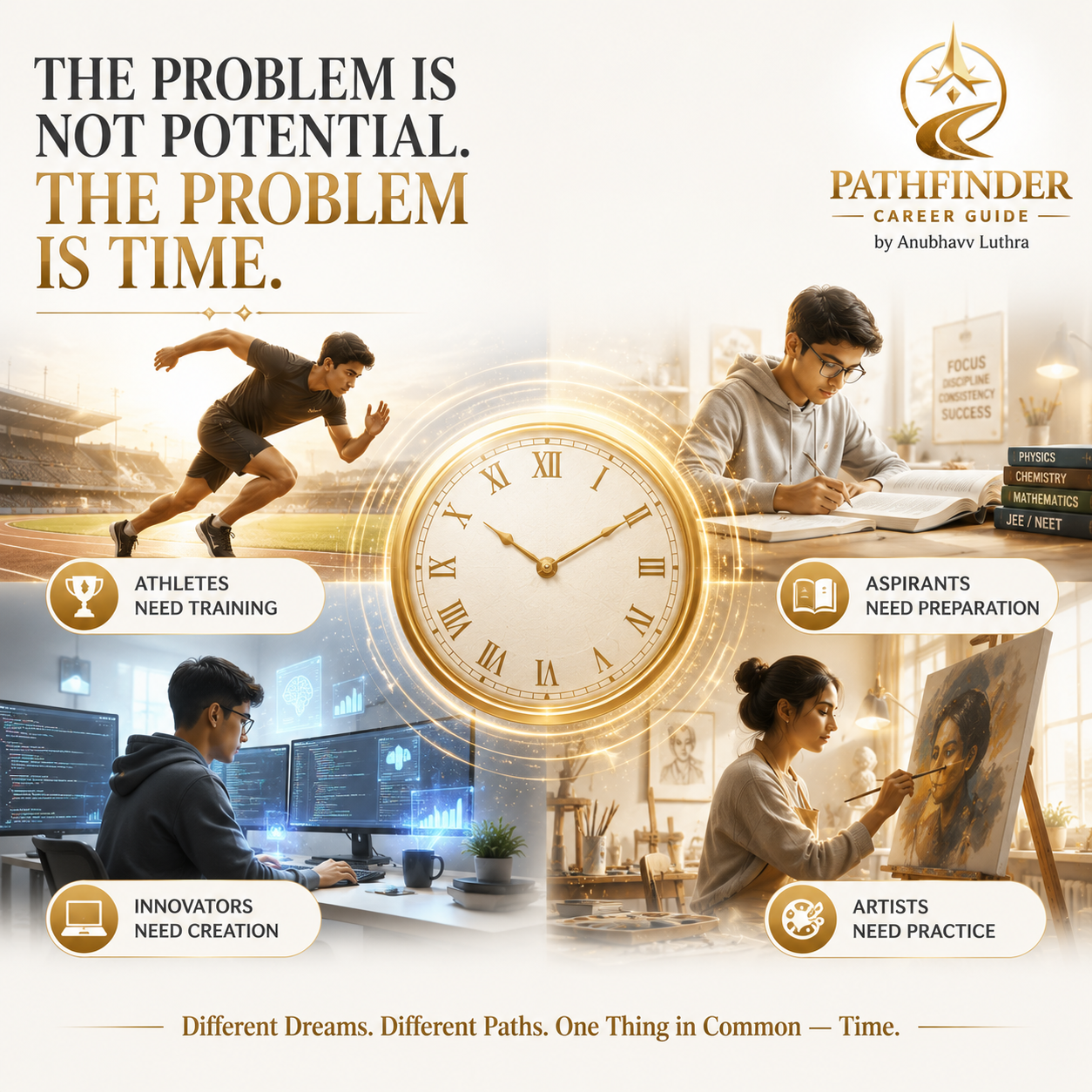
Faced with these incredibly demanding, specialized ambitions, the standard school system presents a structural roadblock. The core challenge is no longer, "How can these kids fit into a traditional school system?" The actual, progressive query that educators, schools, and parents must address is: “Can the education system adapt to fit their unique, extraordinary aspirations?”
The Golden Rise of Goal-Based Education
One of the largest, most significant shifts occurring in global academic fields is the mainstream acceptance of flexible, dynamic pathways, famously represented by Open Schooling (such as NIOS - National Institute of Open Schooling). Unfortunately, some parents view non-traditional frameworks with skepticism. Let's clear this misconception up immediately: open schooling is not about stepping away from education; it is about stepping significantly closer to your true lifetime purpose!
By shedding the boundaries of typical administrative policies and daily commute constraints, open or flexible schooling provides children with a structured balance. They continue their officially recognized school validation while devoting clear, premium hours to competitive preparation, intense athletic routines, or creative professional learning. What was once seen as an "alternative safety net" has now transformed into a high-level, highly strategic academic choice used by top achievers.
The Real Challenge is NOT Potential—It Is Time!
Every student is packed with unique raw capabilities. The critical bottleneck separating high achievers from others is rarely their fundamental talent. Rather, the problem is time. Over-structured school models consume up to 7 to 8 hours daily in non-essential commuting, school assemblies, and highly repetitive homework. Imagine how those elite hours could build towards primary career destinations:
The New Definition of Smart Education
In this digital modern era, an authentic educative ecosystem shouldn’t continuously wonder: "How can we bend the student to fit our system?" It should focus completely on: "How can our system validate, support, and resource the student?"
The upcoming decade of development strictly belongs to personalized learning paths that support individual strengths. We construct this smarter paradigm through four vital educational pillars:
1. Personalized Learning Paths
Instead of forcing a language-heavy or mathematically complex course on a creative writer or painter who might excel in literature, flexible schooling lets the learner curate subjects matching their life maps. They select and master what matters, preventing redundant study stress.
2. Total Self-Pacing Advantage
Every student grasps concepts differently. Some might breeze through organic chemistry but need continuous guidance on advanced mechanics. Flexible pathways permit self-pacing—students can zoom through comfortable chapters and slow down on challenging milestones without fear of being left behind by peers.
3. Eliminating Attendance Fatality
Traditional metrics dictate that a student's commitment is judged by a rigid attendance percentage. Goal-based learning removes this, looking at actual mastery, project outputs, and test competency instead, turning hours spent in boring assemblies into active focus hours.
4. Focus on Real-world Professional Competence
By letting children balance theoretical research with on-ground actions, they learn vital high-level lessons early on. Creative youngsters construct working portfolios, athletes participate in national circuits, and tech-lovers design live applications.
Do not select an academic or coaching path simply because everyone in your circle is jumping onto it. Select a custom-built pathway because it directly, strategically aligns with your destination. Your career choice deserves its own custom-built roadmap!
Why Flexible Learning is a Strategic Plan (Not a Backup Plan)
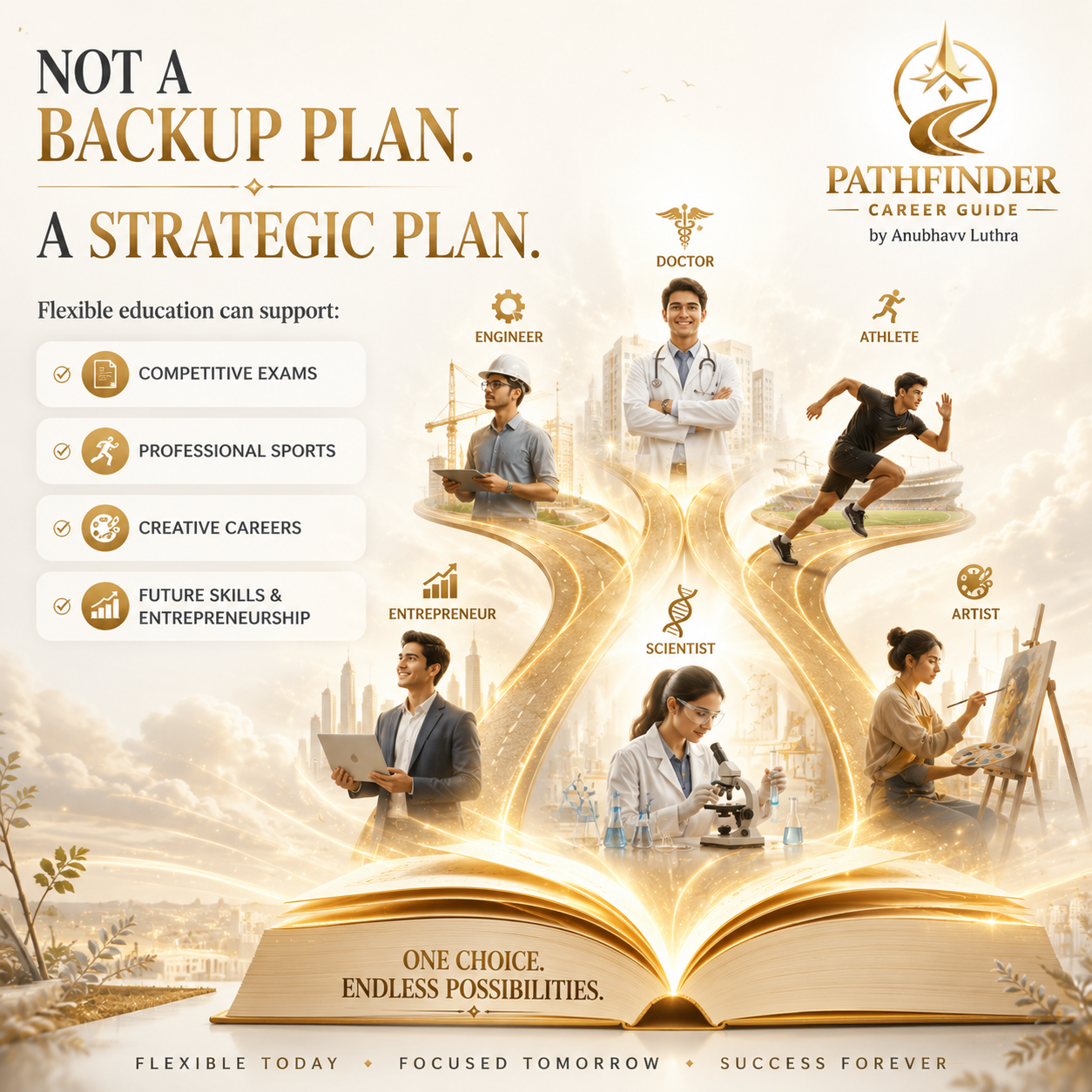
For a long time, choosing an open or autonomous system was viewed as a correction route for kids struggling in traditional systems. Today, the script is flipped entirely. Elite achievers use flexible educational maps as a high-conversion, highly tactical plan to gain a competitive edge. It operates as the ultimate platform to support doctor aspirants (NEET), future engineers (JEE), creative visual designers, and professional athletes simultaneously.
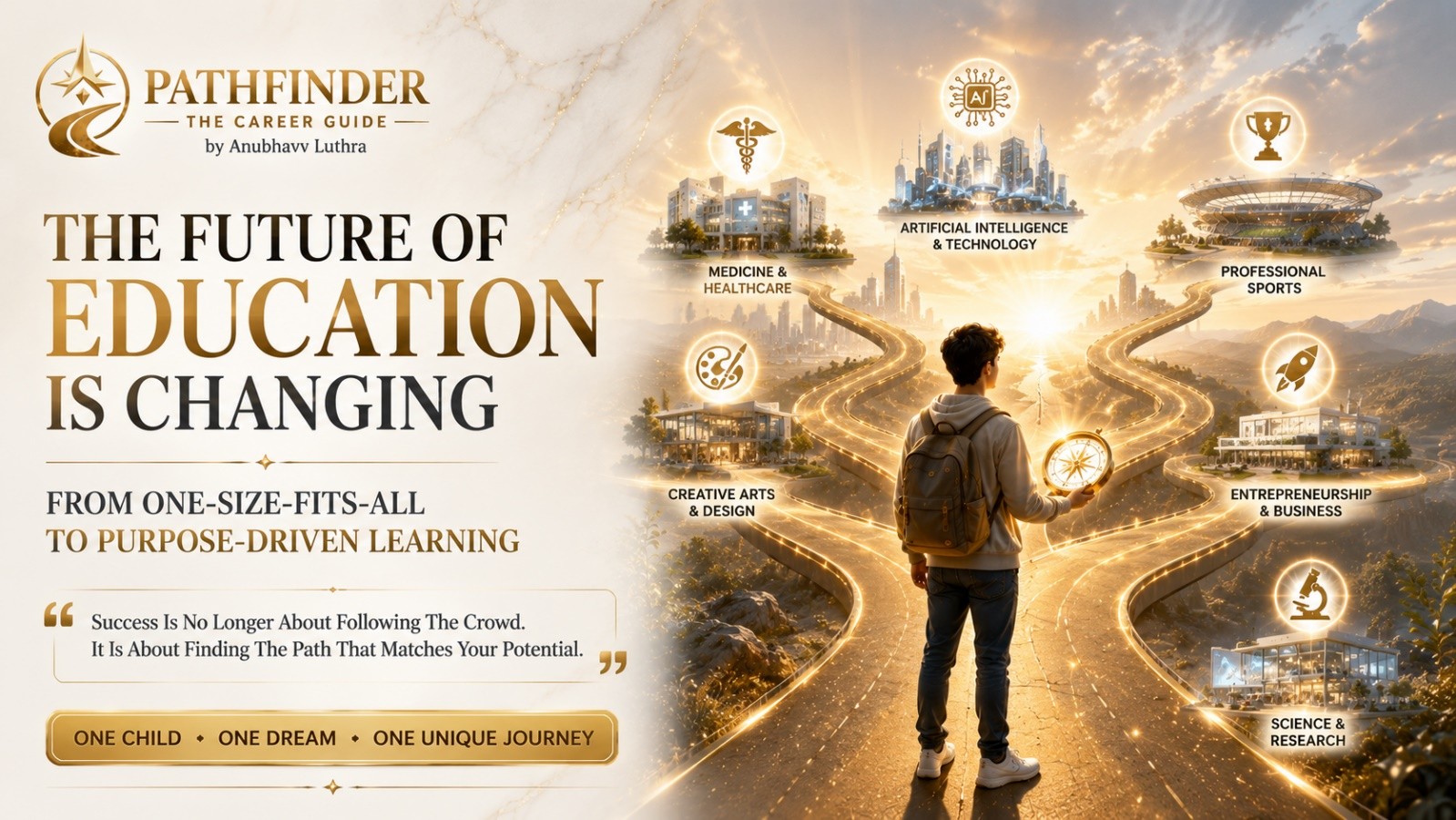
Furthermore, boards like the National Institute of Open Schooling (NIOS) are fully recognized by the Government of India, making students 100% eligible to participate in elite national competitive test entries (JEE, NEET, CUET) and secure admission into pristine colleges such as the IITs, NITs, and AIIMS. The flexible student is positioned alongside or ahead of typical board students, equipped with better time management, lower mental fatigue, and focused determination.
❓ Frequently Asked Questions (FAQs)
Is flexible or open schooling recognized for college admissions?
Does choosing a flexible pathway make the student look weaker in college interviews?
How does a student balance school examinations with intense coaching schedules?
What role do coaching institutes play in a flexible, personalized path?
✨ Final Thoughts: One Child. One Dream. One Unique Journey.
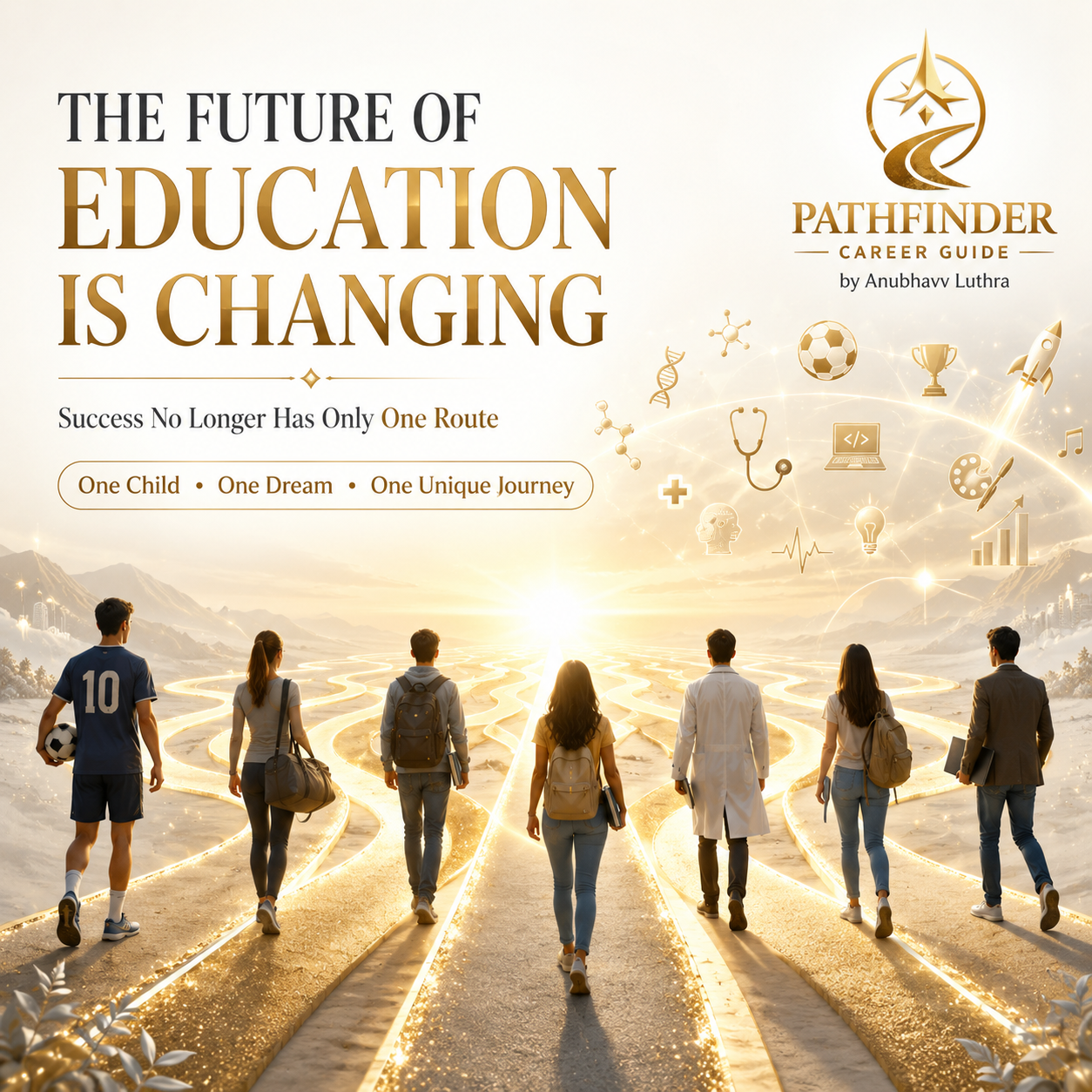
Education should never be an assembly line designed to produce identical items. The future of educational excellence belongs exclusively to flexible, customized pathways configured around individual strengths. At PATHFINDER – The Career Guide, we dedicate ourselves to helping students and parents navigate these pathways, ensuring every young, ambitious mind makes the smart choices needed to reach their true destination.
Join Rosemary Institute for Expert Guidance
Empower your flexible educational path with India’s leading coaching mentors. Get customized study plans, mock evaluations, and premier conceptual classes tailored to support your high-level career dreams.