

How Planes Fly: The Science of Lift & Thrust
What Makes a Plane Soar?
Ever wondered how a giant metal machine defies gravity and glides through the air? It’s not magic — it’s a perfect balance of science and engineering.
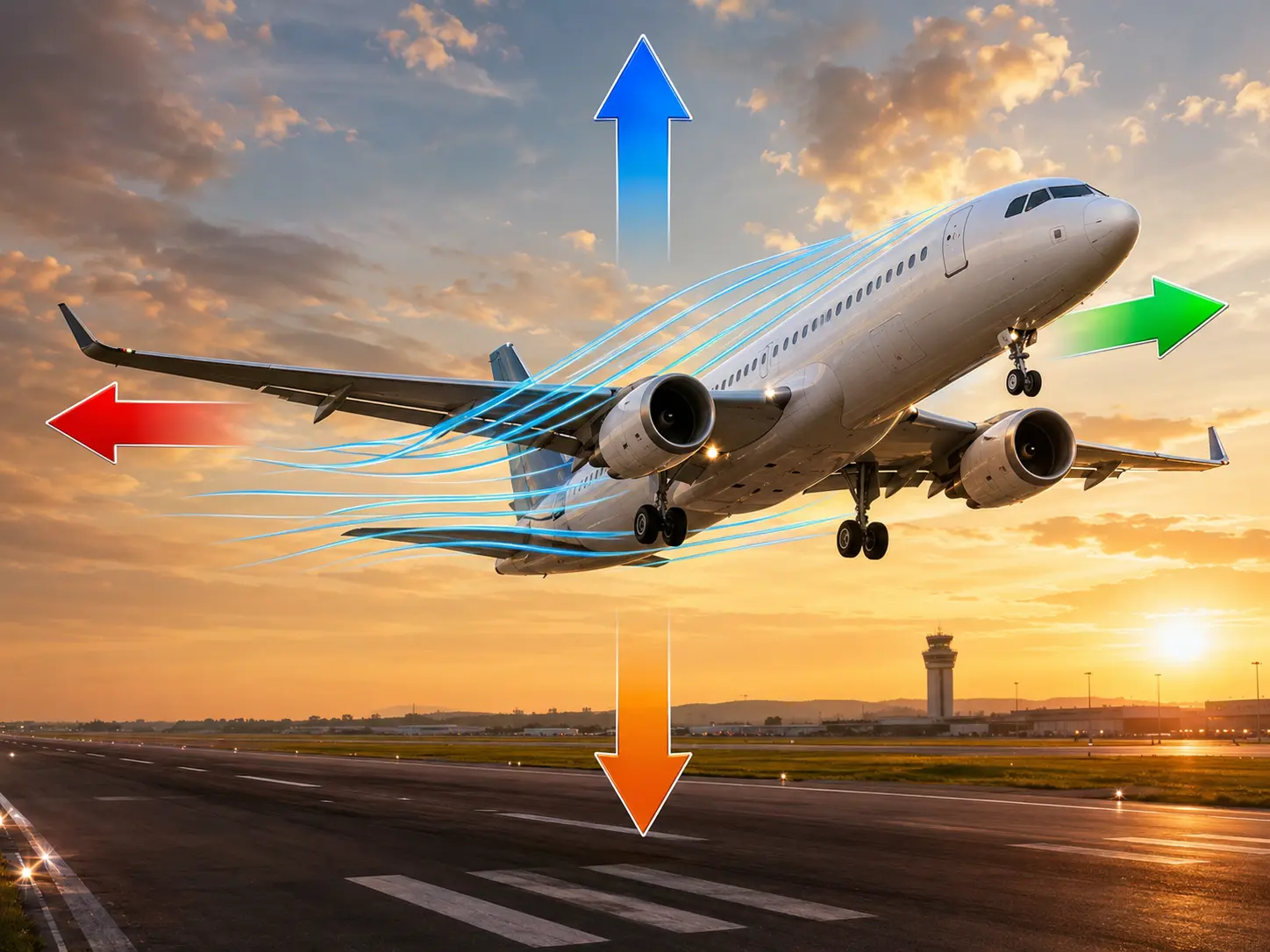
Airplanes fly by manipulating four key forces:
- Lift
- Thrust
- Drag
- Gravity
When these forces are in harmony, flight becomes possible.
Lift: Rising Against Gravity
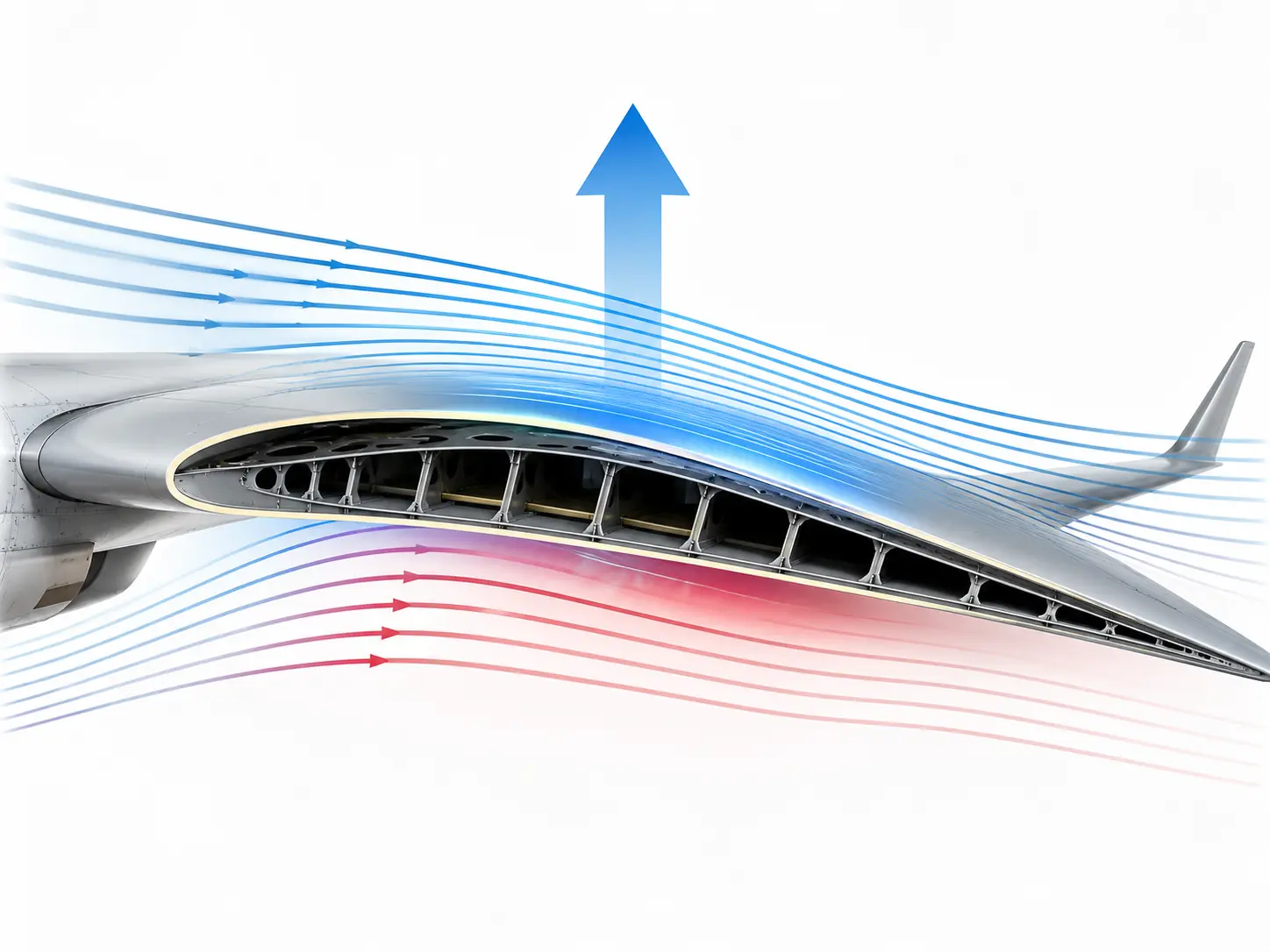
Lift is the upward force that keeps the airplane in the air. It’s created primarily by the wings. As the plane moves forward, air flows faster over the curved top surface of the wing and slower underneath. This difference in air pressure pushes the wing — and the plane — upward.
This principle is based on Bernoulli’s Principle in physics.
Thrust: Powering Forward
Thrust is the forward force that moves the plane ahead. It’s generated by engines or propellers. Jet engines push air backward at high speed, and in return, the plane moves forward (thanks to Newton’s Third Law — every action has an equal and opposite reaction).
Without thrust, there’s no movement — and without movement, there’s no lift.
Drag: The Air’s Resistance
As the plane cuts through the sky, drag pulls it backward. Think of it like air pushing against your hand when you stick it out of a moving car. To keep flying smoothly, thrust must overcome drag.
Aircraft are designed with sleek, aerodynamic shapes to reduce drag and improve efficiency.
Gravity: The Pull That Grounds Us
Gravity is the downward force that keeps everything on Earth. For an airplane to fly, lift must be greater than gravity. But when a pilot wants to descend, reducing lift helps gravity do its job.
Understanding and controlling this balance is what makes flying both possible and safe.
Real-Life Example: Takeoff in Action
When a plane speeds down the runway:
- Engines generate thrust
- Wings start to create lift
- As speed increases, lift exceeds gravity
- The plane leaves the ground and begins its flight!
Why This Matters for Students
At Rosemary Career Academy, we believe science becomes exciting when it connects to the real world. Whether you're aiming to be an engineer, pilot, or a curious learner, understanding flight mechanics opens doors to amazing STEM careers.
Learning how planes fly is the first step toward understanding aerodynamics, aerospace engineering, and even space exploration.
“Flight is the perfect fusion of force, motion, and human curiosity.”
Related Reads from Rosemary:
- What Is a Black Box in Aviation?
- Top Careers in Aerospace Engineering
- Why STEM Skills Matter in the 21st Century